











Sourcing Advantage Is Built Between Functions
Emmet Poon, Head of Global Sourcing & procurement, King Living
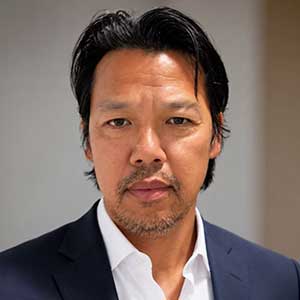
Emmet Poon, Head of Global Sourcing & procurement, King Living
The role of sourcing has changed significantly. It was once easier to view sourcing through the lens of buying, negotiation and supplier selection. Those capabilities still matter, but they are no longer enough. In today’s environment, the real value of sourcing is not only in securing supply. It is in connecting the organization before value is lost. Many of the most important sourcing opportunities do not sit neatly inside sourcing itself. They sit between functions: where product decisions create cost, where commercial ambition depends on supplier capability, where data reveals problems the organization is not structured to act on and where execution depends on people in different functions, regions and suppliers moving in the same direction.
This is why I see sourcing as a change agent and an orchestrator of value. At its best, sourcing is where commercial strategy meets supplier-side reality. It is close enough to the business to understand ambition, and close enough to the supply base to understand what can actually be made, improved, scaled and delivered. Connecting Decisions Before Value Is LostThe challenge is that many organizations are still not designed around this reality. Product, costing, sourcing, supplier development, technology, quality and operations may all be working hard, but not always from the same view of risk, cost, capability and execution. Each function may own its part, but the full pathway from idea to execution is not always clearly owned. That is where value starts to leak: through late decisions, rework, duplicated effort, unclear trade-offs, supplier confusion and slow execution.
Cost is a good example. Most organizations understand the importance of costing and value engineering. The real question is whether those capabilities are connected early enough to influence decisions before complexity is built into the product. By the time sourcing is asked to negotiate, many of the real cost drivers may already be fixed: material choices, construction methods, quality expectations, minimum order quantities, forecast assumptions and supplier capability. A lower unit price can quickly disappear if it creates delays, waste, rework or capacity constraints elsewhere in the supply chain. This is why sourcing needs to be closer to the decisions that create cost, not only the negotiations that follow them. The opportunity is not simply to buy better. It is to help the business make better decisions earlier.
Developing new production countries is another example. A sourcing map may show opportunity, but a country strategy only becomes executable when product, costing, quality, operations, logistics, materials and supplier development are moving in the same direction. Sourcing may identify the market, but the real work is aligning what the business wants to buy with what the supplier base can realistically make, improve and scale. A low-cost country is not truly low cost if the business spends the next two years managing delays, rework, waste and inconsistent execution because the functions required to develop that capability were not connected early enough. This is where sourcing can play a broader leadership role: not by owning every decision, but by helping coordinate the commercial and operational consequences of those decisions.
Technology Enables, People ExecuteTechnology, including AI-enabled tools, makes this more important, not less. The amount of data now available across supplier performance, cost movement, quality variation, capacity, waste and operational risk is enormous. But technology does not create value on its own. Insight only matters if the organization has the structure, capability and leadership discipline to act on it. That is why the future of sourcing is also an operating model question. Costing needs to connect with design. Sourcing needs to connect with country capability. Supplier development needs to connect with quality and operations. Technology needs to connect with decision-making, not sit separately as a dashboard. The strongest organizations will be those that can move insight quickly to the people who can use it.
-
He real value of sourcing is not only in securing supply. It is in connecting the organization before value is lost.
This also changes what sourcing leadership requires. The strongest leaders will not define themselves only by their ability to negotiate. They will understand cost development, supplier capability, country strategy, technology, quality, operations and commercial execution. They will be able to move between the strategic and the practical, aligning people while keeping delivery grounded in reality.
For emerging sourcing leaders, this is an important shift. Technical sourcing skills remain essential, but the next level of value comes from range: the ability to connect people, challenge assumptions, manage trade-offs and keep strategic initiatives moving across organizational boundaries. In a more predictable world, sourcing could afford to operate more independently. In the world we are entering, advantage will come from connecting the system: knowing where cost is created, where capability needs to be built, where technology can improve visibility, and where execution needs to be coordinated across functions. That is the new discipline of global sourcing: not sourcing as a standalone buying activity, but as an integrating force that connects people, decisions, supplier capability and execution across the organization. The next sourcing advantage will not come from treating negotiation as the starting point. It will come from leaders who can connect the system early enough for the organization to act before value is lost.

