











How Agentic AI is Transforming Procurement
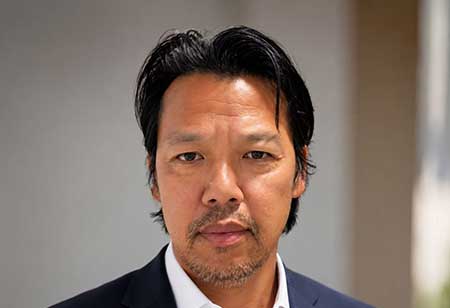
Siti Morni Jalil, Head of Group Strategic Sourcing & Corporate Center Procurement, Axiata Group Berhad

Siti Morni Jalil, Head of Group Strategic Sourcing & Corporate Center Procurement, Axiata Group Berhad
Siti Morni Jalil is Head of Group Strategic Sourcing & Corporate Center Procurement at Axiata Group Berhad, where she leads enterprise procurement strategy and sourcing transformation, with a focus on governance, digital innovation and long-term value creation.
Where Agentic AI Creates the Greatest Procurement ValueI see the greatest value where procurement teams manage high volumes of information, stakeholder inputs, repeated process steps and complex commercial decisions. In strategic sourcing, this includes spend analysis, market intelligence, RFP preparation, bid evaluation, negotiation modeling, contract review support and post-award performance monitoring.
The value of Agentic AI is not only speed. It is the ability to help procurement teams make better decisions earlier. Semi-autonomous agents can identify demand patterns, flag risks, compare supplier proposals, highlight deviations from approved positions and recommend sourcing strategies. With clear guardrails, autonomous agents can also support routine coordination such as follow-ups, workflow reminders, document checks and milestone tracking.
This is where the real shift happens. Procurement professionals can spend less time chasing information and more time on supplier strategy, negotiation, risk mitigation and value creation.
Balancing AI Automation with Governance and Supplier TrustThe starting point is to treat Agentic AI as a governed business capability, not just another technology tool. Procurement operates within delegated authority limits, audit expectations and contractual obligations. AI agents must therefore be introduced with clear ownership, human oversight, auditable workflows, responsible data handling and transparent supplier engagement.
AI may recommend, draft, validate or escalate, but key commercial decisions and approvals must remain with authorized people. Supplier relationships are still built on trust, clarity, fairness and consistency. AI can improve responsiveness, reduce ambiguity and strengthen follow-through, but it should not replace professional judgment, ethical conduct or relationship management.
How Real-Time Data Is Reshaping Sourcing and Risk ManagementReal-time data is changing how procurement teams think and act. Instead of relying on historical information or periodic reporting, procurement can make decisions based on current market conditions, supplier performance, demand movement and risk signals.
Supplier risks can develop quickly. Geopolitical events, component shortages, currency movements, regulatory changes, cybersecurity exposure, sustainability concerns and financial instability can all affect sourcing outcomes. AI-driven insights help procurement teams detect warning signs earlier and respond with more confidence.
For sourcing, this creates a more dynamic view of supplier capability, pricing, demand forecasts, commitments, performance history and risk exposure. Suppliers are no longer assessed only during tenders. They can be monitored continuously.
For risk management, AI can help identify concentration, expiry, delivery, service-level, compliance and market risks. This improves resilience because mitigation actions can be planned earlier, including alternative sourcing, forward-buy assessments, renegotiation, demand consolidation or supplier diversification.
Procurement is no longer only a cost management function. It is becoming a strategic function that influences innovation, resilience, supplier ecosystems, sustainability, digital transformation and enterprise risk management.
Agentic AI strengthens this role by giving procurement teams better visibility, faster analysis and stronger execution discipline. AI agents can help identify supplier-driven innovation, benchmark market practices, assess total cost of ownership, highlight contractual risk and model commercial scenarios. These insights allow procurement to contribute earlier to business planning, not only when a purchase needs to be executed.
This also aligns with Axiata's broader AI direction, where AI strengthens value creation and long-term business resilience. For procurement, that means AI must translate into practical business value, not isolated experimentation. In strategic sourcing, Agentic AI can support category strategy by connecting spend data, supplier performance, market intelligence, demand pipelines and current commitments. This helps procurement leaders move beyond transactional savings and focus on value protection, risk reduction, innovation enablement and business continuity.
The Skills Procurement Leaders Need in an AI-Enabled FutureProcurement professionals will need both digital capability and strategic leadership maturity. AI will not remove the need for procurement expertise. Instead, it will raise expectations for what procurement professionals must contribute.
Future procurement professionals need to be data-literate, commercially sharp, governance-conscious and comfortable with technology. They must know how to interpret AI-generated insights, challenge recommendations, identify possible bias, protect confidential information and apply sound professional judgment. At the same time, the fundamentals of procurement remain essential, including category strategy, supplier relationship management, negotiation, contract governance, risk management and stakeholder influence.
For AI-enabled procurement transformation to be meaningful, change must be driven by clear business needs and objectives. The business must set the direction, while employees are engaged, equipped and brought along as active participants in the journey. Technology should serve the business agenda by strengthening decision-making, governance, commercial discipline and execution. It should never become the force that dictates direction, leaving people to adapt without context, ownership or purpose.
This principle is especially important in procurement because AI should not become a disconnected technology exercise. Agentic AI must serve the business strategy, strengthen procurement capability and support better decision-making. It should help procurement teams focus on higher-value work, improve visibility, reduce repetitive workloads and increase the speed and quality of execution.
AI should therefore be seen as a force multiplier, not a replacement for procurement professionals. The human role remains critical in setting strategy, managing relationships, exercising judgment and ensuring procurement decisions are fair, compliant, ethical and aligned with organizational objectives.
The next phase of procurement transformation will belong to teams that can combine intelligent automation with strong governance, commercial discipline, business-led change and human leadership.
Key TakeawayBusiness-led transformation, governed AI and human leadership must move together. In procurement, Agentic AI is meaningful only when it strengthens decision quality, commercial discipline and responsible execution.

